

-
NASA’s Artemis III Moon Rocket Hardware Arrives, Artemis II Capsule Returns to Kennedy
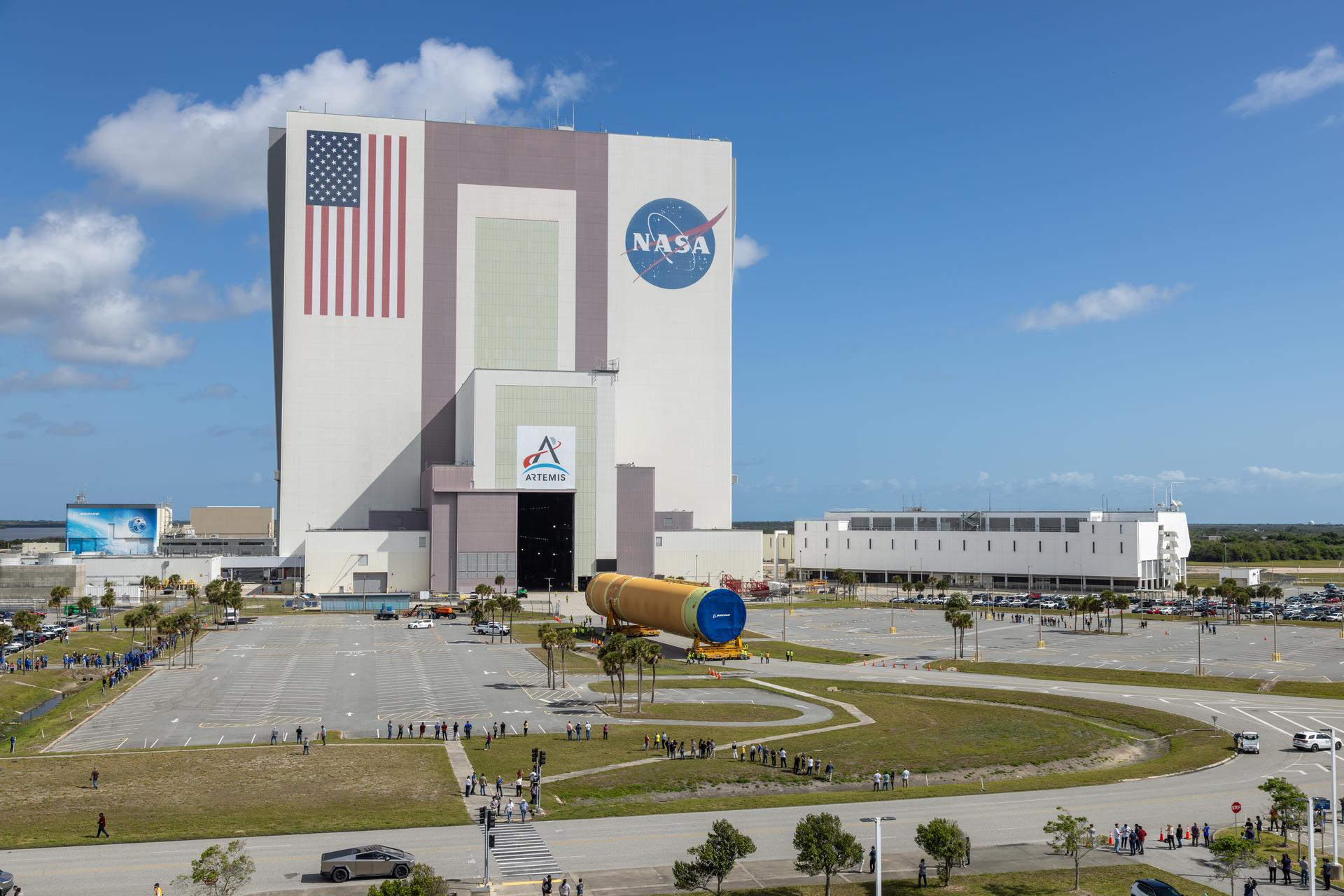
On the heels of a successful Artemis II test flight, teams at NASA’s Kennedy Space Center in Florida are pressing forward for the next Artemis mission. Technicians maneuvered NASA’s massive core stage of the SLS (Space Launch System) rocket inside the agency’s Vehicle Assembly Building (VAB) at NASA Kennedy on April 28 in preparation for Artemis III, as the Artemis II crew module arrived back at Kennedy for post-flight analysis. The Artemis III core stage will be
-
NASA’s Artemis Core Stage Arrives at Kennedy
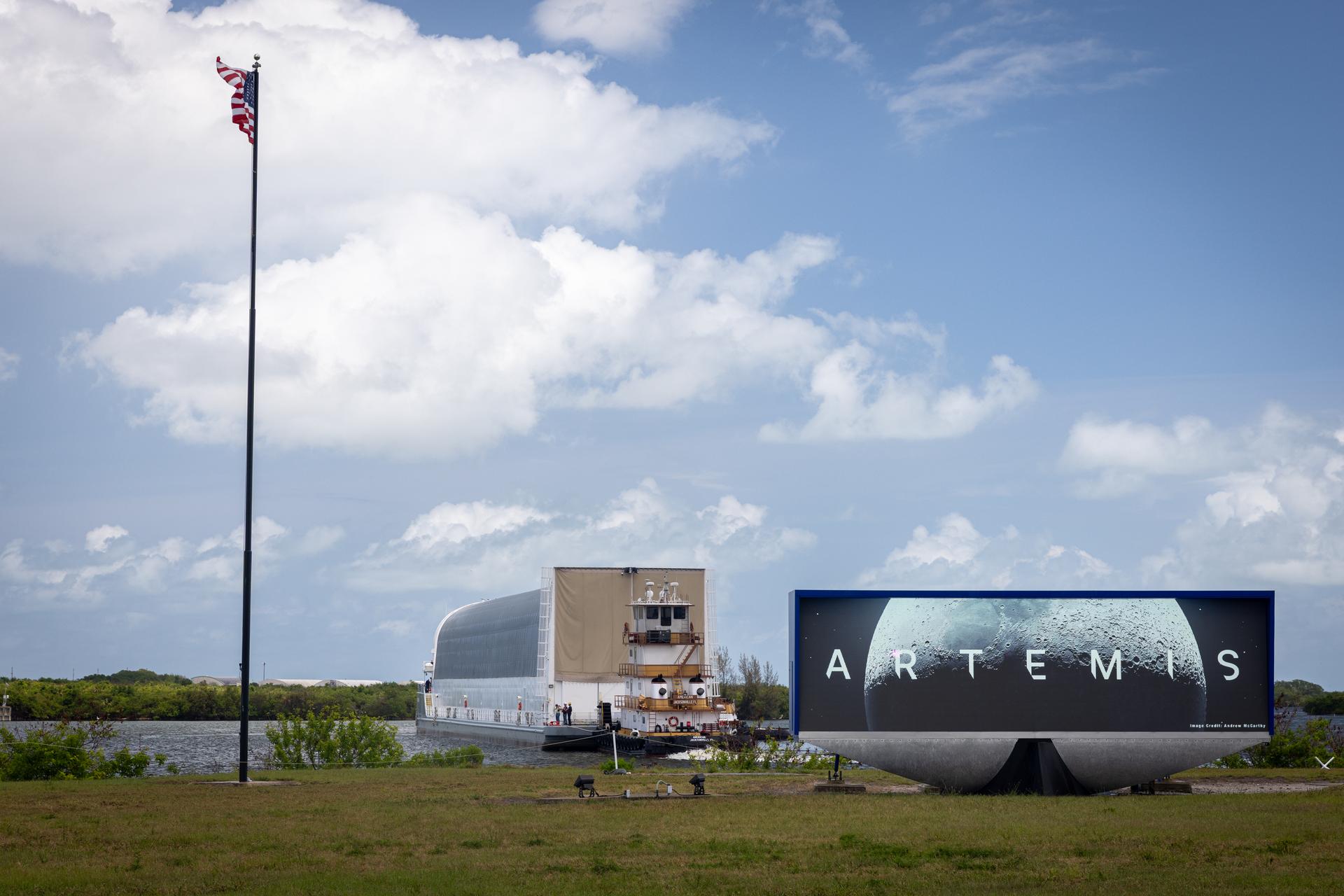
The largest rocket section for NASA’s Artemis III mission arrived at the agency’s Kennedy Space Center in Florida on April 27. The SLS (Space Launch System) core stage traveled 900 miles on the Pegasus barge from NASA’s Michoud Assembly Facility in New Orleans where the stage is manufactured, to complete assembly of the massive rocket at NASA Kennedy. Teams will transport the top four-fifths of the 212-foot-long core stage, the section containing the liquid hydrogen tank, liquid oxygen tank, intertank, and forward
-
NASA’s Mobile Launcher Arrives at Vehicle Assembly Building
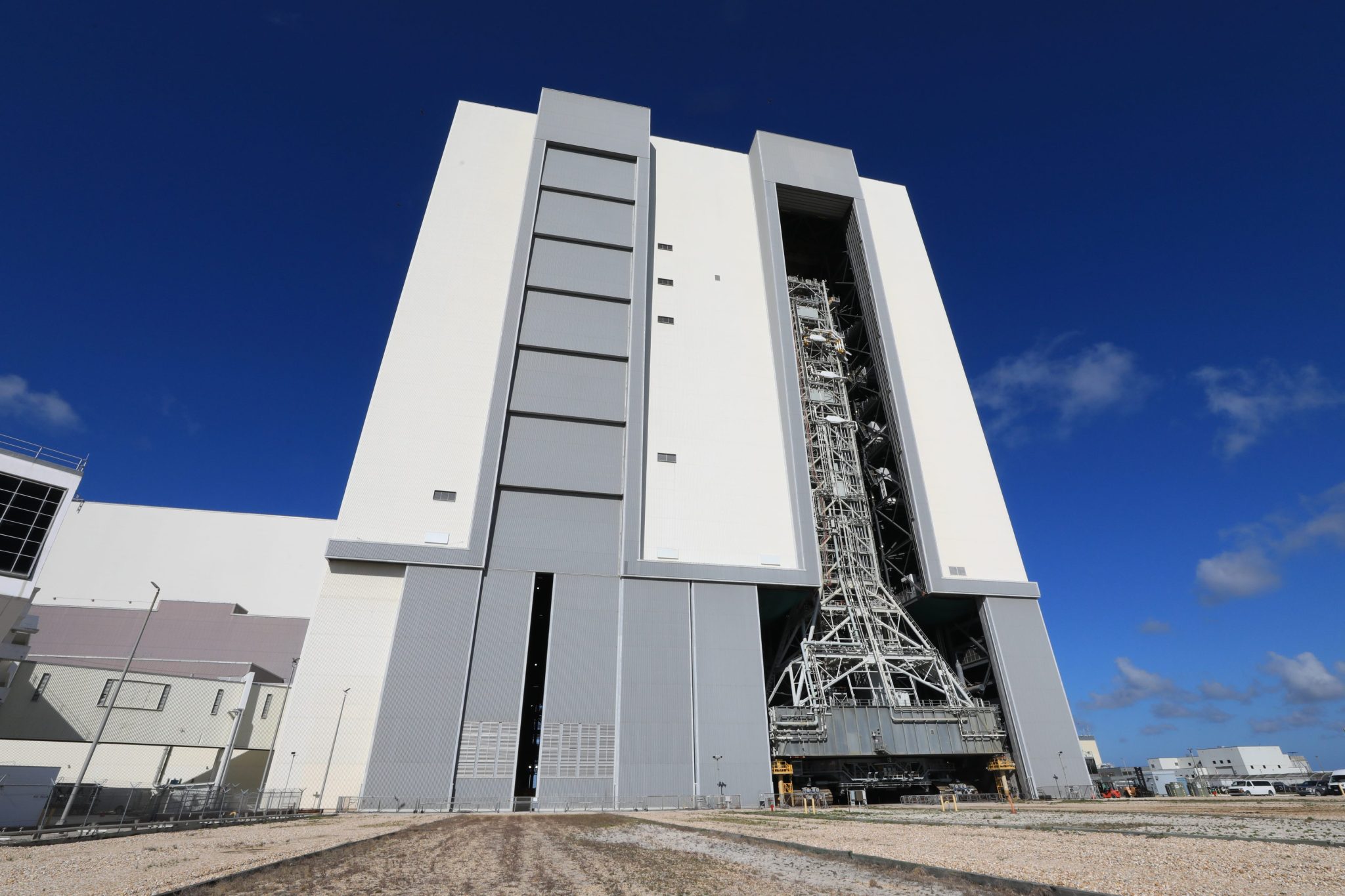
After successfully being used to launch the Artemis II lunar test flight on April 1, NASA’s mobile launcher now is inside NASA Kennedy’s Vehicle Assembly Building (VAB) in Florida in preparation for the Artemis III test flight mission rocket stacking operations. NASA’s Exploration Ground Systems Program rolled the launcher on a 4-mile trek from Launch Pad 39B to the VAB along the crawlerway on April 16. The trip, which normally takes eight to 12 hours on top of the agency’s crawler-transporter 2, had several built-in pauses to
-
NASA’s Mobile Launcher Rolls Ahead of Artemis III Preparation
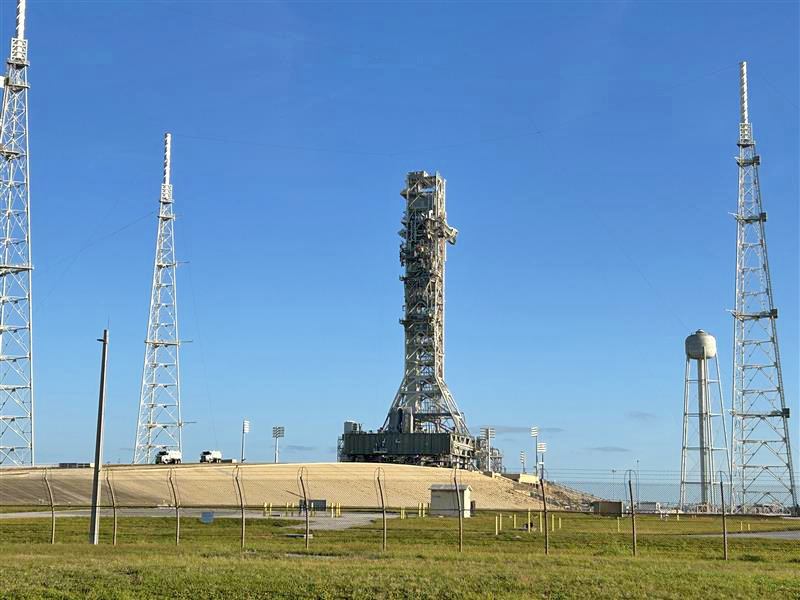
Following the conclusion of NASA’s Artemis II test flight, teams at the agency’s Kennedy Space Center in Florida are shifting focus to Artemis III, which is targeted to launch next year, by rolling the mobile launcher from Launch Complex 39B to NASA’s Kennedy Vehicle Assembly Building (VAB) in Florida in preparation for rocket stacking operations. The mobile launcher began its approximately 4-mile trek on top of the agency’s crawler-transporter 2 at 8:11 a.m. EDT Thursday,
-
Artemis II Astronauts Back in Houston, Reunite with Families

The Artemis II crew of NASA astronauts – Reid Wiseman, Victor Glover, and Christina Koch, and CSA (Canadian Space Agency) astronaut Jeremy Hansen – has returned to the agency’s Johnson Space Center in Houston following their historic lunar flyby mission. The first crewed test flight of NASA’s Artemis program lifted off from Launch Pad 39B at the agency’s Kennedy Space Center in Florida at 6:35 p.m. EDT April 1, carrying the first astronauts to travel to the Moon in more than half
-
Artemis II Flight Day 10: Live Re-Entry Updates
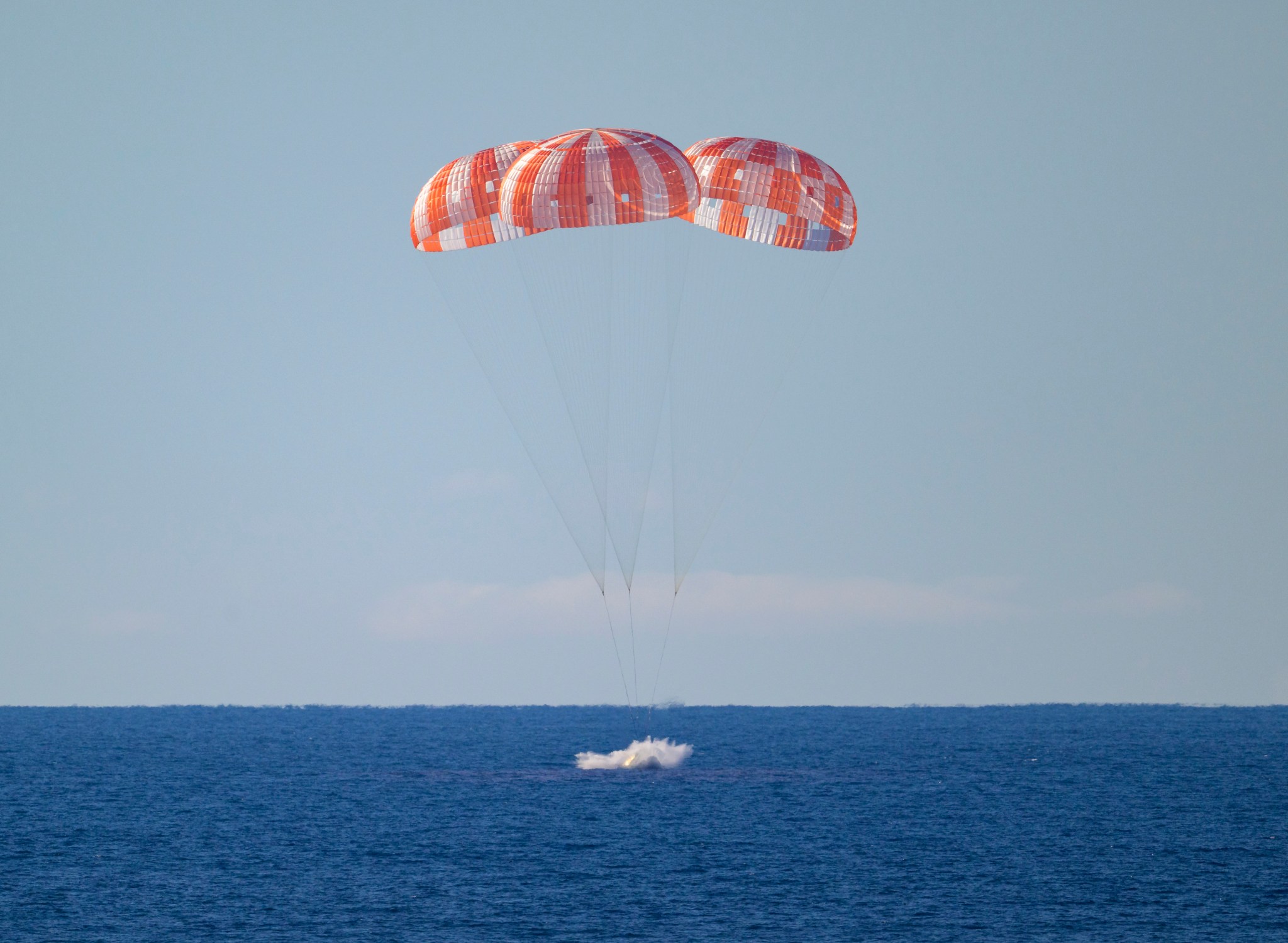
Live re-entry updates for NASA’s Artemis II mission will be published on this page. All times are Eastern. 4:27 a.m. The Orion spacecraft is secured in the well deck of USS John P. Murtha after splashing down in the Pacific Ocean and carrying NASA astronauts Reid Wiseman, Victor Glover, Christina Koch and Canadian Space Agency astronaut Jeremy Hansen on an approximate 10-day mission around the
-
Smile: cleanroom to space

Video: 00:03:24 Smile successfully launched from Europe’s Spaceport in French Guiana on 19 May 2026.This timelapse captures the excitement and precision of launch operations as the spacecraft begins its journey to study the connection between the Sun and Earth.Smile (the Solar wind Magnetosphere Ionosphere Link Explorer) is an international space science mission designed to investigate how the solar wind interacts with Earth's magnetosphere. By observing these dynamic processes from space, Smile will help scientists better understand space weather and its effects on our planet's magnetic environment.
-
This Month at ESA: May 2026

Video: 00:04:15 What did space deliver for Europe this month? From asteroid flybys to Mars landing tests, new discoveries from Webb and Hubble, and ESA astronaut Sophie Adenot capturing shooting stars from orbit, here’s your monthly roundup from the European Space Agency.This month also saw ESA team up with DON’T NOD for Aphelion, a sci-fi adventure inspired by real space science and exploration.
-
Week in images: 25-29 May 2026

Week in images: 25-29 May 2026 Discover our week through the lens
-
Earth from Space: Batagaika Crater

Image: This Copernicus Sentinel-2 image features the Batagaika Crater in Siberia. This is the biggest permafrost crater in the world, caused by melting permafrost and also known as a ‘mega-slump’.
-
MTG-I2 embarks on journey to Europe’s Spaceport

Image: The Meteosat Third Generation-Imager2 satellite sets sail from France to French Guiana
-
Webb reveals black hole that formed before its galaxy

Using the unprecedented imaging and spectroscopic power of the NASA/ESA/CSA James Webb Space Telescope, researchers have mapped the motion and composition of gas orbiting a black hole in the centre of Abell2744-QSO1, a tiny galaxy more than 13 billion light-years away. The results suggest that the 50-million-solar-mass black hole predates its host galaxy, possibly forming within the first second of the Big Bang, and must have been immense from the start.
-
Rocket goes boom, satellite cameras zoom: Explosive Blue Origin damage is visible from space
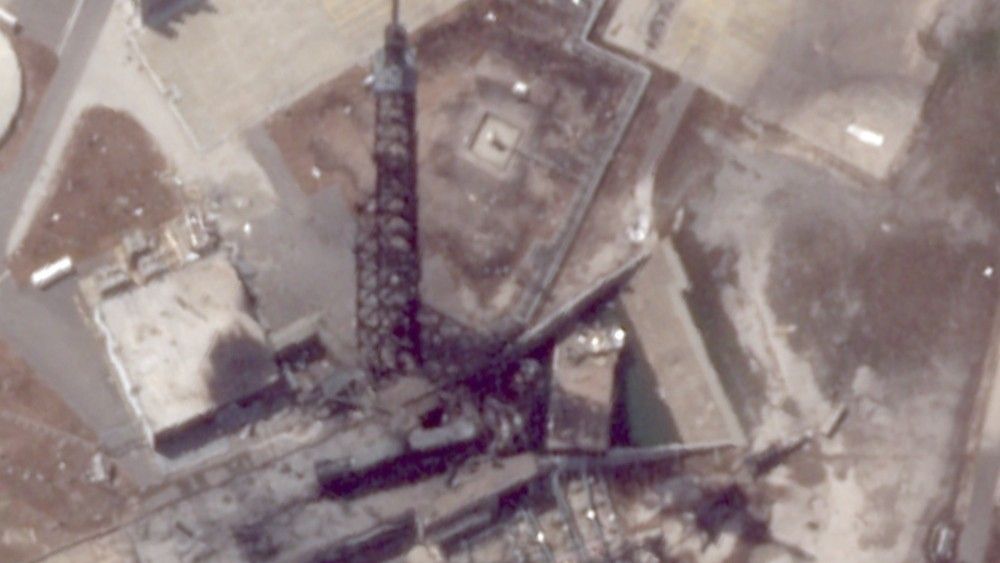
Satellites zoomed-in on the aftermath of the New Glenn rocket explosion at Blue Origin's LC-36 launchpad, and the extent of the damage is visible from orbit.
-
NASA's X-59 jet is ready to break the sound barrier for the 1st time this month
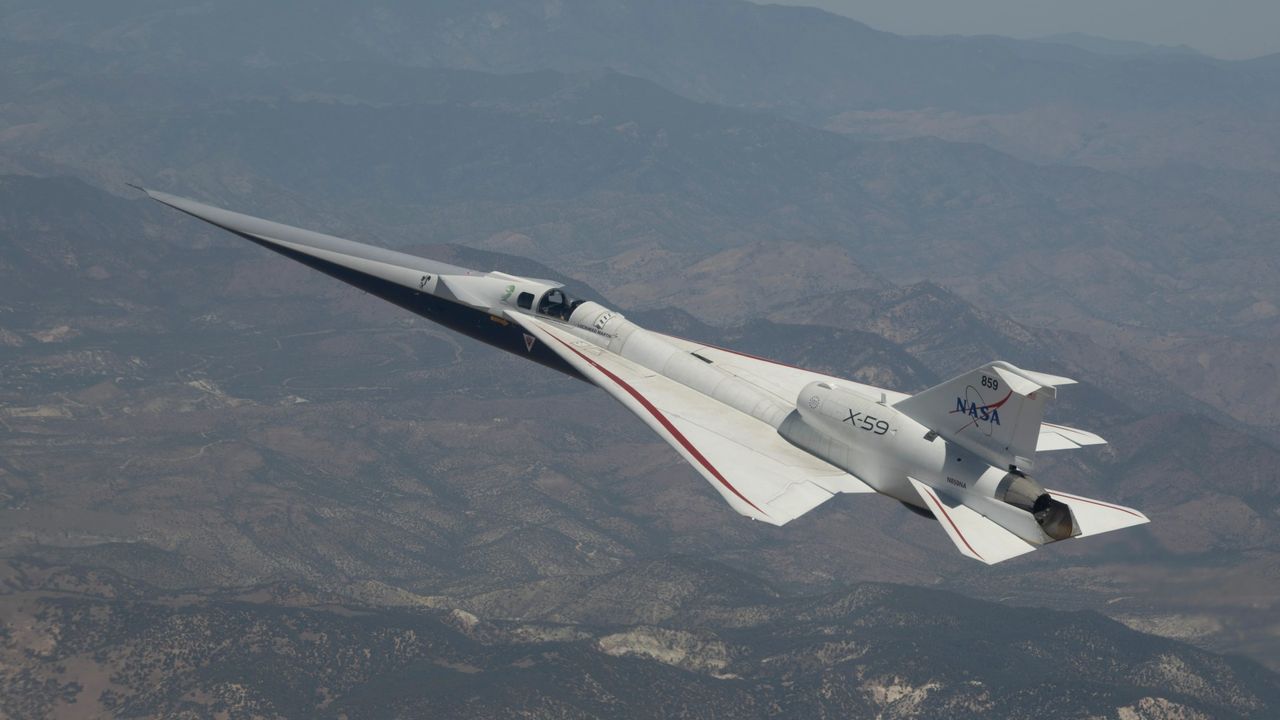
NASA's X-59 jet is on the verge of finally breaking the sound barrier as the agency looks forward to the aircraft's first supersonic flight this month.
-
It had the power! The weird origins of He-Man, Skeletor, and the 'Masters of the Universe'

Mattel's musclebound response to 'Star Wars' had a life of its own
-
The 2025 hurricane season was devastating. Will 2026 be calmer?
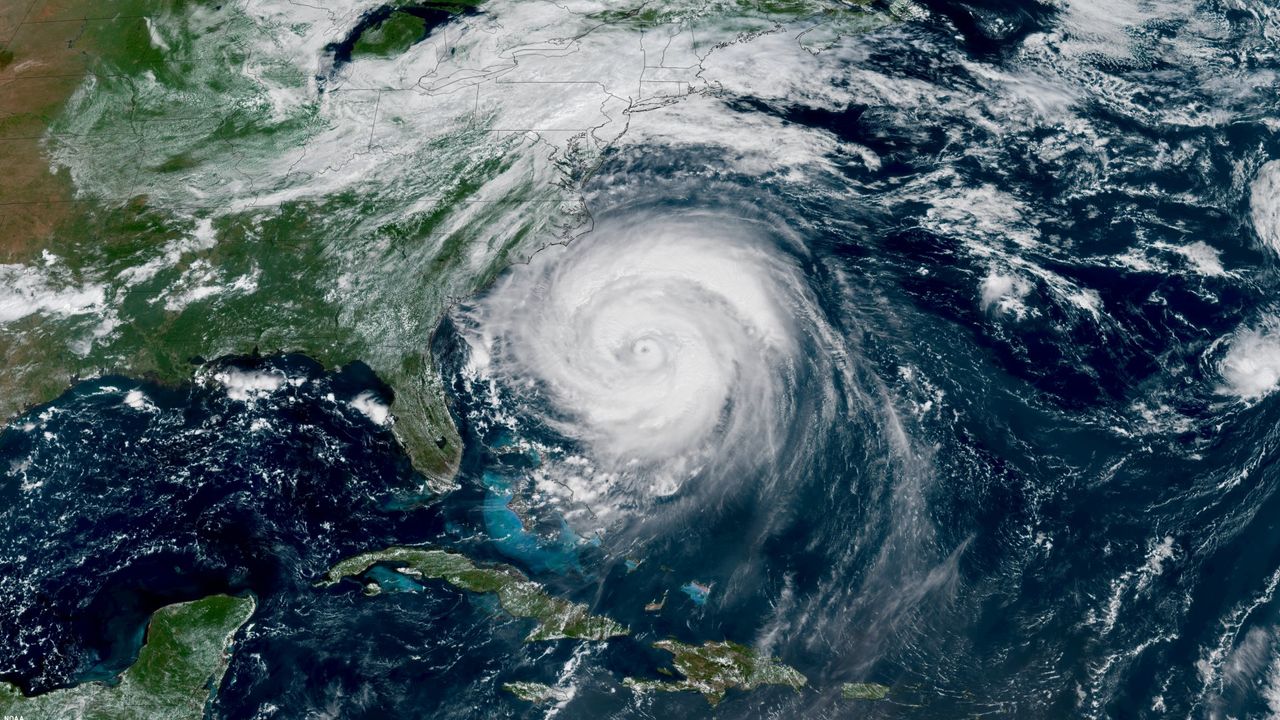
Forecasters at the National Oceanic and Atmospheric Administration predict a below-normal number of named storms in the upcoming 2026 Atlantic hurricane season.
-
Manhattanhenge is back! | Space photo of the day for June 1, 2026

The city spectacle is back for 2026 — and don't worry you'll have another chance to see it in July.
-
3 bright planets light up June's night sky — Here's where and when to look

Venus, Jupiter and Mercury headline a spectacular month of planetary viewing.

ABOUT EARTH FOR SPACE
The space above us is our sovereign asset—yet most countries remain locked out. Earth For Space exists to level this playing field. By reducing cost, building capacity, and fostering cooperation, we help nations take charge of their own space destinies.
Get in touch: mymun@earthforspace.com
FOLLOW US
© 2026 EarthForSpace. All rights reserved.