

Elon Musk’s rocket company SpaceX has taken over his artificial intelligence venture xAI in a bold move aimed at establishing data centers in orbit to support AI’s future requirements.
The tech entrepreneur, who also leads Tesla, revealed this consolidation through an official announcement made on Tuesday via SpaceX’s website.
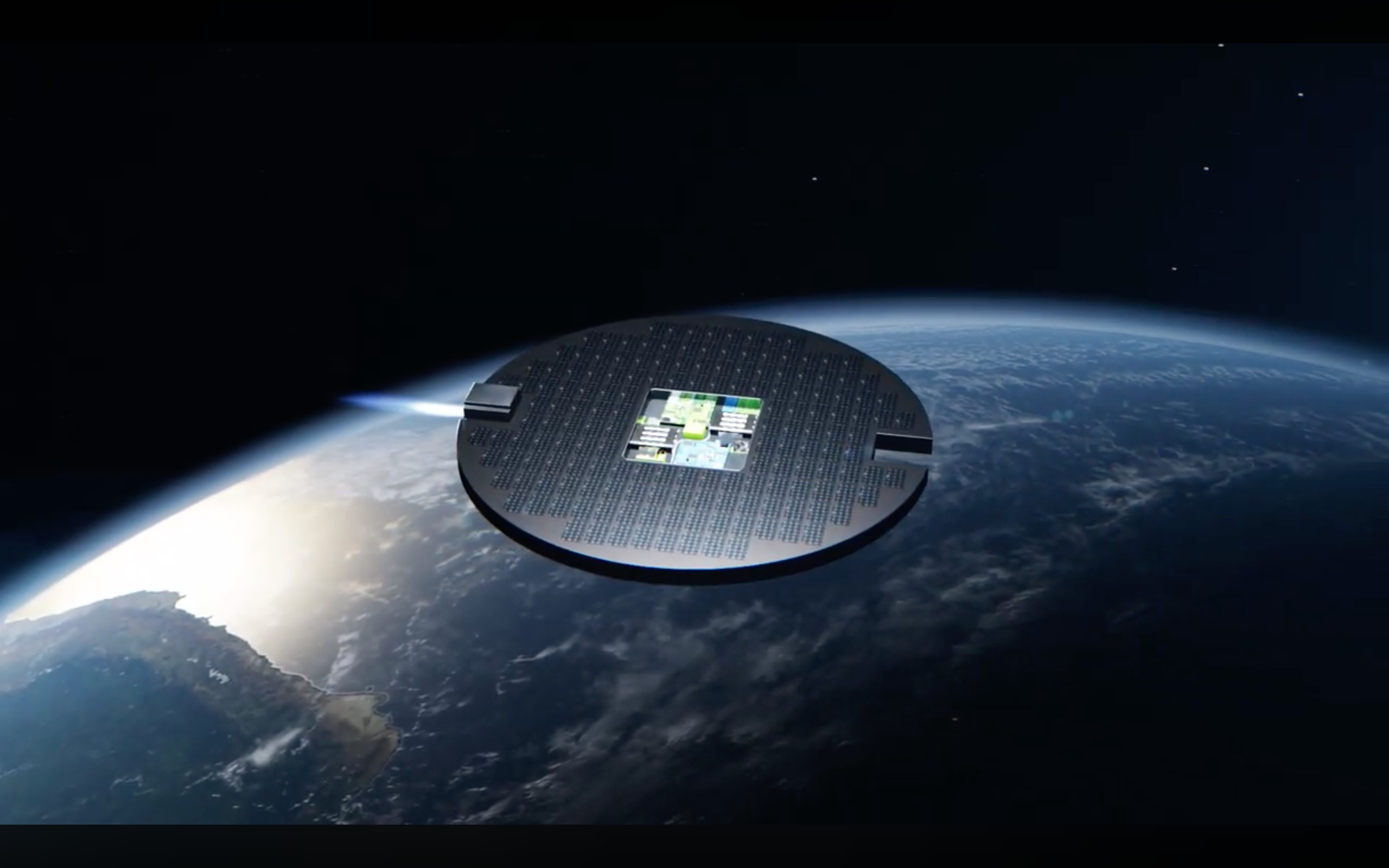
According to Musk, this integration addresses a critical challenge: satisfying artificial intelligence’s substantial energy needs. He argued that AI systems will demand enormous quantities of electricity and temperature regulation that cannot be sustained on our planet without creating difficulties for local populations and causing environmental damage.
Musk proposed that orbital data facilities powered by solar energy represent the sole viable long-range answer. He emphasized that capturing even a tiny fraction—one-millionth—of the Sun’s power output would supply energy levels exceeding current global consumption by over a million times.
He articulated that the rational approach involves relocating these power-intensive operations to an environment offering abundant energy resources and physical space. Musk projected that within approximately two to three years, generating AI computational capacity in orbit will become the most economical method.
This corporate combination unifies several of Musk’s ventures spanning aerospace, artificial intelligence, internet services, and social networking under a single organizational structure.
SpaceX manages both the Falcon and Starship launch systems, whereas xAI is recognized primarily for creating the Grok chatbot powered by artificial intelligence. Additionally, xAI purchased X—the social platform previously called Twitter before Musk’s acquisition in late 2022—last year.
Both enterprises maintain significant agreements with United States governmental bodies including NASA and the Department of Defense. SpaceX’s Starshield division works specifically with government organizations, encompassing military and intelligence services.
Musk is not alone among technology executives exploring orbital solutions for AI’s energy challenges. Jeff Bezos’s Blue Origin and Google’s Project Suncatcher are similarly developing solar-powered orbital data centers.
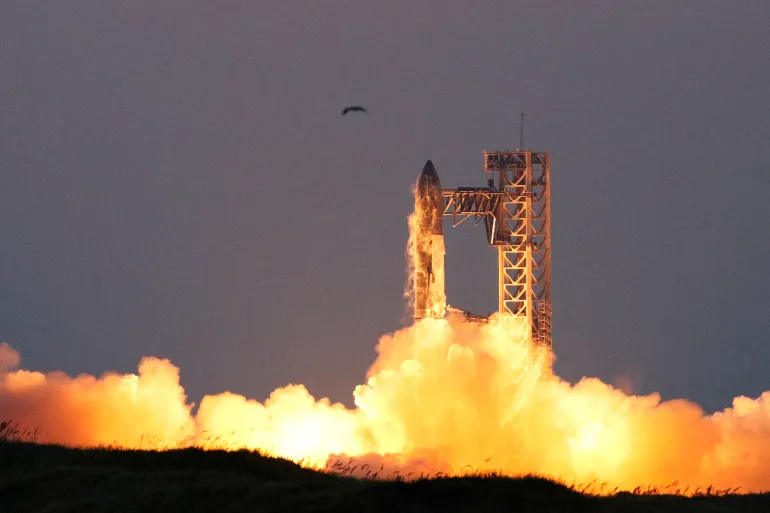
Musk noted that spaceflight history has never witnessed a launch vehicle capable of transporting the massive tonnage required for orbital data centers or permanent lunar installations and Martian settlements.
The long-range vision for SpaceX includes deploying one million satellites, according to Musk. To accomplish this objective, the Starship rocket program is designed to eventually conduct hourly launches carrying 200-tonne payloads.
Musk also announced that Starlink—SpaceX’s satellite internet subsidiary—will receive a significant enhancement through the deployment of next-generation V3 satellites. Each of these satellites will provide over twenty times the network capacity compared to the current V2 Starlink satellites launched aboard Falcon rockets.