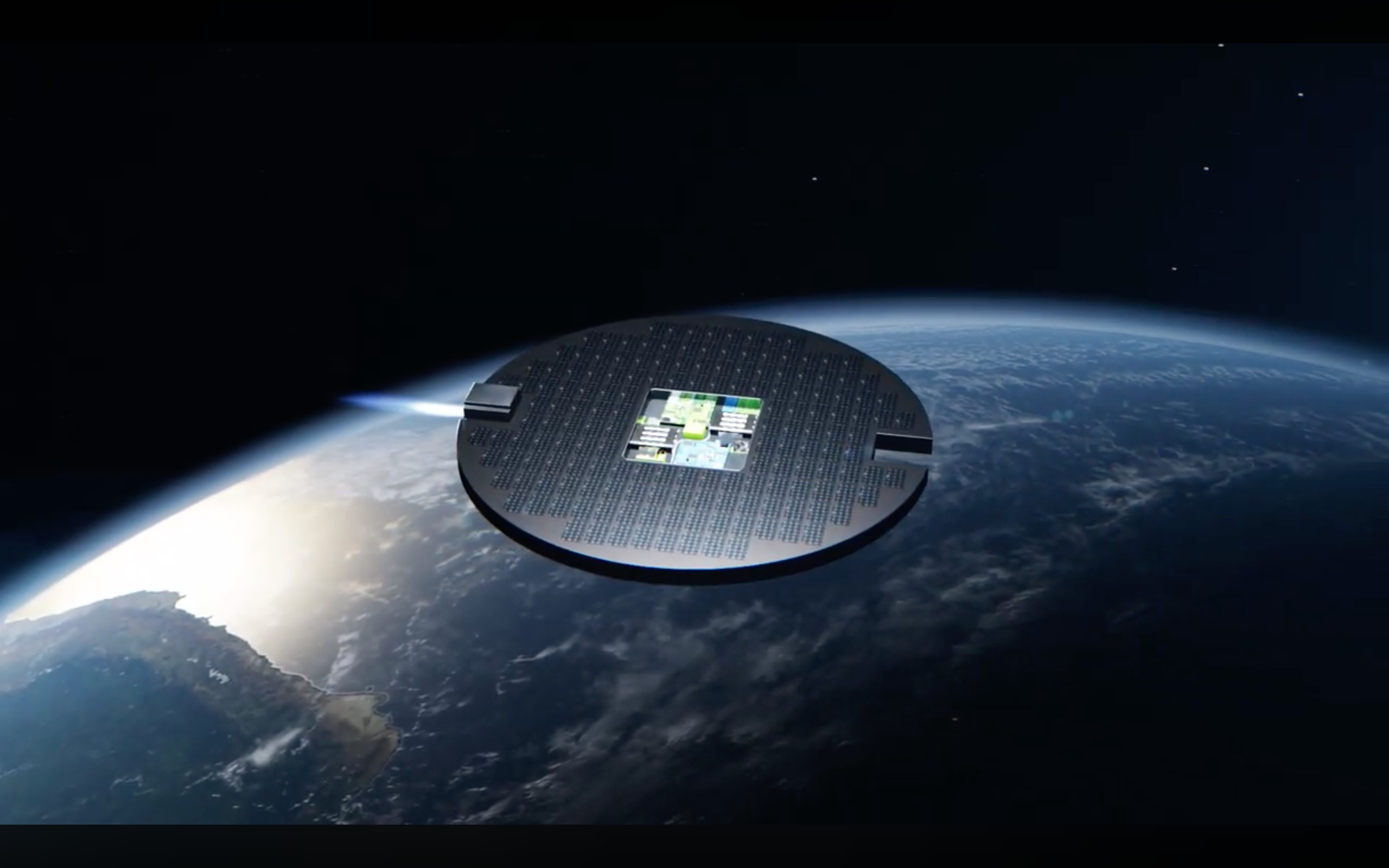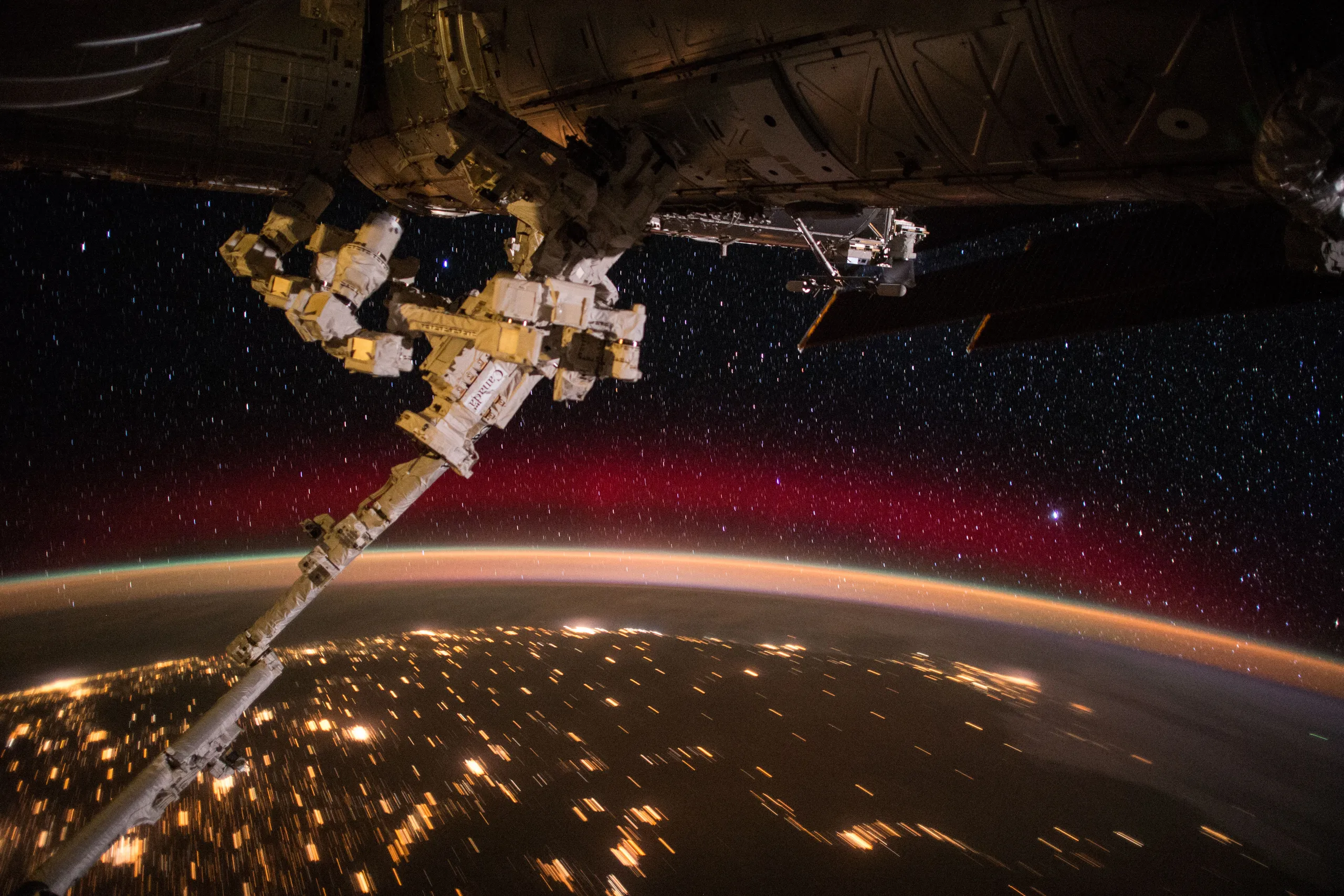
The landscape of satellite technology is expanding with the rise of Very Low Earth Orbit (VLEO) systems. These satellites operate at altitudes below 450 kilometers, a significant departure from traditional Low Earth Orbit (LEO) satellites. This closer proximity to Earth unlocks exciting possibilities for enhanced imaging resolution and reduced communication latency, making them ideal for applications like real-time Earth observation, environmental monitoring, and time-sensitive data services.
Overcoming Orbital Challenges
Historically, the denser atmosphere at these lower altitudes posed challenges to satellite longevity. However, recent advancements in materials science, propulsion systems, and miniaturized components are paving the way for VLEO’s success. Innovative designs focused on aerodynamics and efficient propulsion are enabling VLEO satellites to maintain their orbits for longer durations and perform frequent, high-resolution observations with improved operational efficiency.
Commercial Potential and Future Growth
The commercial outlook for VLEO satellites is rapidly evolving. Driven by decreasing launch costs and increasing private investment, the deployment of VLEO constellations is expected to see substantial growth in the coming years. Although the number of VLEO launches is currently smaller than broader LEO activities, their specialized capabilities are crucial for emerging markets. These include real-time Earth imaging, low-latency broadband communication, and even space-based solar power initiatives.
VLEO: A Key Component for Next-Generation Space Services
VLEO technology is becoming an essential element in the next generation of space-based services. It complements existing satellite networks and enables novel applications that demand high resolution and minimal signal delay. This makes VLEO a particularly exciting area for both commercial enterprises and scientific researchers looking to harness the advantages of operating closer to our planet for enhanced performance and new possibilities.